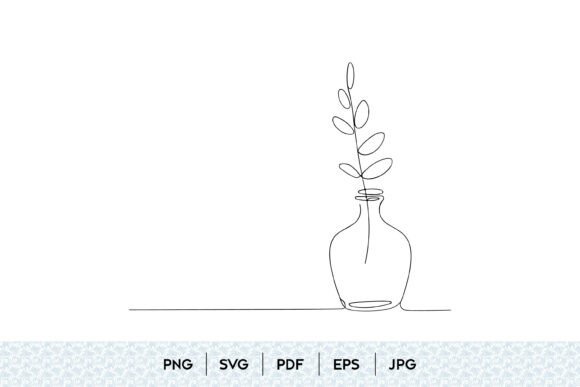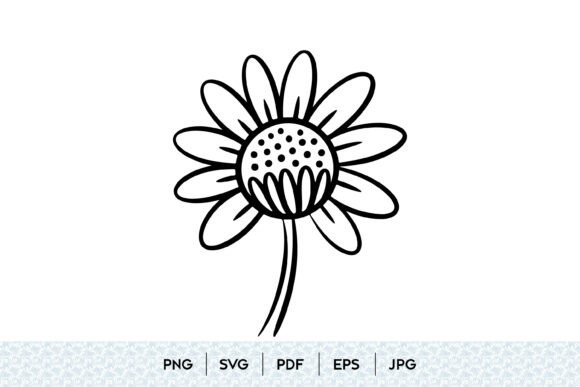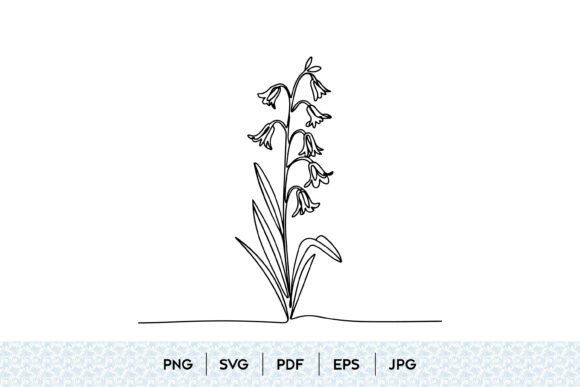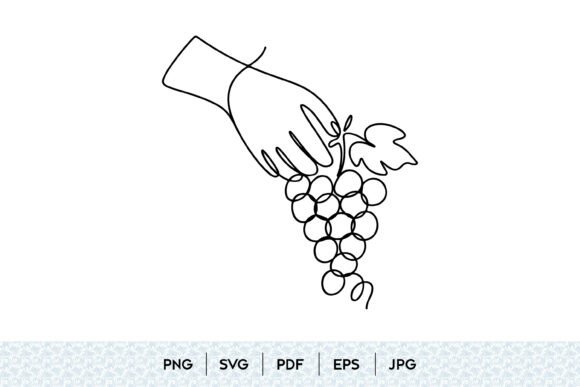
Heart Flower One Line SVG: Minimalist Graphics for Modern Illustrations
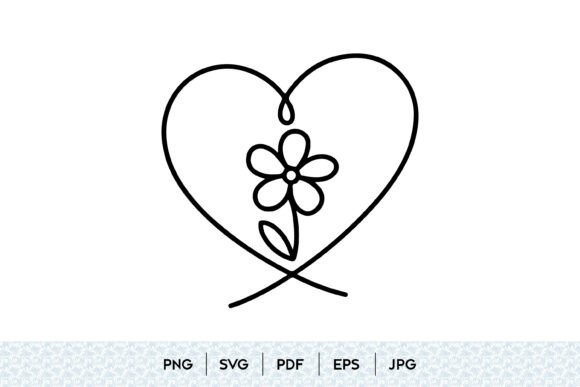
As a brand designer who’s refreshed over 200 small business identities—and a content marketer who’s built visual campaigns across Instagram, Pinterest, and email—I opened Heart Flower One Line SVG expecting elegance. What I found was more strategic than decorative: a single-stroke floral heart that breathes quiet confidence. It doesn’t shout. It invites. And in today’s oversaturated feed, that’s rare currency.
A First Impression That Builds Audience Trust
The moment you unarchive the zip file—yes, it includes PNG (300 ppi), JPG, EPS, SVG, and PDF—you’re handed versatility without compromise. The continuous line art feels intentional, not rushed; the floral heart svg balances organic softness with architectural precision. This isn’t clipart. It’s a graphic design asset calibrated for emotional resonance: warm but not saccharine, feminine but not stereotyped, minimalist but not cold. For brands selling handmade goods, wellness offerings, or lifestyle content, it signals care—not clutter.
Where It Elevates Real Marketing Workflows
Last month, I helped a yoga coach launch a spring digital product: a printable self-care journal. We needed cohesive marketing visuals that felt grounded—not trendy—and supported her brand voice: calm, intuitive, human. Heart Flower One Line SVG became the quiet anchor: scaled subtly in the corner of Canva templates, layered behind handwritten prompts in blog graphics, and repositioned as a watermark on downloadable lead magnets. It added warmth without competing with text—proving how one illustration can unify tone across email banners, Pinterest pins, and product label mockups.
It performs especially well where visual hierarchy matters most: hero graphics, campaign headers, and branded templates. On Instagram posts, it sits gracefully beside serif body copy. In editorial layouts, it acts as a breathing space between dense paragraphs. As a packaging accent on kraft mailers or sticker sheets, its clean lines translate beautifully to print—especially when paired with muted earth tones or crisp monochrome palettes.
How It Strengthens Brand Identity—Without Overcommitting
Unlike complex logos or rigid brand marks, Heart Flower One Line SVG functions as a design bundle enhancer—not a replacement. It supports logo design by offering a scalable, mood-aligned companion element (think: subtle heart-flower watermark beside a wordmark). In web design, it adds rhythm to hero sections without slowing load times—thanks to its lightweight SVG format. And because it’s delivered in vector + high-res raster formats, it scales flawlessly from digital ads to merchandise like tote bags or enamel pins.
This is where small business branding wins: consistency without rigidity. A bakery uses it on seasonal flyers; a therapist embeds it in lead magnet headers; an online coach places it inside content marketing carousels. Each use feels distinct—but unmistakably part of the same visual family.
Smart Placement, Strategic Limits
That said, not every context serves Heart Flower One Line SVG equally. Avoid using it in formal corporate branding (e.g., B2B SaaS pitch decks), where its gentle tone may undercut authority. Steer clear in text-heavy ads or low-contrast backgrounds, where its delicate line weight risks disappearing. And never deploy it at under 24px in mobile-first layouts—it’s a modern design, not a micro-icon.
It also struggles when forced into overly minimal brands that rely solely on negative space or strict geometry—its organic flow needs room to breathe. If your brand voice is “sharp, technical, data-driven,” this SVG design may soften your message unintentionally.
Practical Brand Designer Notes You Can’t Skip
Before dropping Heart Flower One Line SVG into production, run these checks:
- Test it with your full brand color palette—especially gradients and neutrals. Does it retain clarity in charcoal gray or sage green?
- Check black-and-white usage: Print a test sheet. Does the line hold weight at 12pt size? Does it vanish against textured paper?
- Place it inside real campaign mockups—not just isolated previews. How does it behave next to your headline font? Does it compete or complement?
- Preview on mobile screens: Zoom out. Does the continuous line art read as intentional—or blurry?
- Compare spacing and balance when paired with serif, sans serif, script, and display fonts. It sings beside Montserrat or Playfair—but can feel timid next to bold condensed type.
- Confirm commercial licensing. This is non-negotiable if you’re using it in client work, paid ads, or as part of a digital product.
Why Creative Entrepreneurs Keep Returning to This Asset
In the creative marketplace, where trends fade fast and visual fatigue is real, Heart Flower One Line SVG stands out for its restraint and adaptability. It’s not a trend-chasing clipart piece—it’s a timeless illustration that supports storytelling, not distracting from it. Bloggers use it to soften educational posts. Publishers apply it to editorial design as a signature motif. Product creators embed it in printable design kits to elevate perceived value.
Most importantly, it helps build audience trust through visual coherence. When your social media graphics, packaging design, and website headers all share the same quiet, confident line language—you don’t need to explain your brand values. They’re already visible.
Final Takeaway: A Thoughtful Tool, Not a Magic Fix
Heart Flower One Line SVG won’t fix weak messaging or inconsistent voice. But in the hands of a thoughtful brand owner, marketer, or designer, it becomes a quiet amplifier—enhancing clarity, reinforcing warmth, and delivering professional branding without excess. Whether you're designing event flyers, refreshing Canva templates, or building a content kit for your audience, this graphics asset earns its place—not by dominating attention, but by earning it.