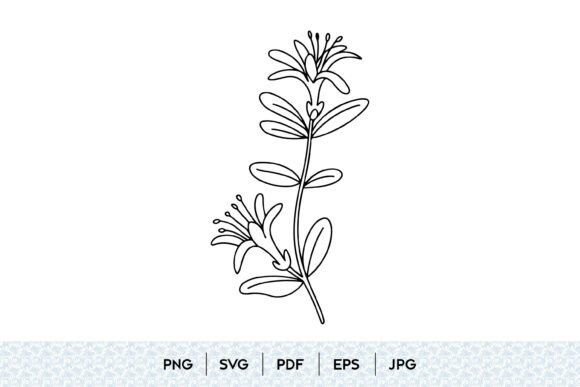
Minimal Floral Branch SVG
A Designer’s First Glance: Clean, Calm, and Quietly Confident
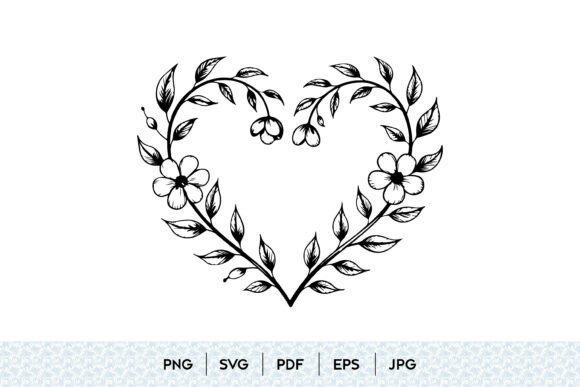
When I opened Minimal Floral Branch SVG, I didn’t see clutter—I saw breathing room. The line work is precise but never stiff; the floral branch flows like a single, unhurried breath—slight curve at the stem, two delicate blossoms, three soft leaves spaced with intention. It’s not “cute” or “trendy.” It’s elegant without effort. That matters when you’re stitching for real people who want quiet sophistication—not visual noise. I immediately pictured it on a linen tea towel for a local boutique, or stitched in ivory thread on an oatmeal-colored baby onesie. This isn’t a design that shouts. It listens—and then enhances.
Where It Lives Best: Real Projects, Not Just Pixels
I tested Minimal Floral Branch SVG across several actual use cases—not just on screen, but in my hoop. On a heavyweight organic cotton tote bag? Crisp, graceful, and perfectly legible at 3.5 inches tall. On a midweight French terry sweatshirt? Held its shape beautifully with light tear-away stabilizer and a 60/8 needle. As a custom embroidered patch for a small batch of aprons? It stitched cleanly in satin stitch along the stem and running stitch for the finer branches—no skipped stitches, no thread nests. And on a curved surface—a structured dad cap—I resized it to 2.25 inches wide and used a medium cutaway stabilizer. The branch followed the dome without distortion. That’s rare for minimalist line art, which often loses rhythm on curves.
This design naturally fits personalized gifts (think monogram + branch on a pillow cover), small shop merchandise (a seasonal kitchen towel collection), and commercial embroidery projects where brand tone leans earthy, refined, or gender-neutral. Etsy sellers will find it especially strong for nursery decor listings—paired with soft colors and natural fabrics, it reads as intentional, not generic.
Where to Pause—and Plan Ahead
Like any thoughtful design, Minimal Floral Branch SVG has boundaries worth honoring. On thin or stretchy fabric—like rayon challis or lightweight jersey—it needs extra stabilization: a light fusible + tear-away combo works best. On dark fabric, avoid pale pastel threads unless you’re adding a white underlay (the fine lines need contrast to read clearly). And while it’s elegant on caps and curved surfaces, skip placing it near deep seams or tight gussets—those areas pull fabric and can blur fine line integrity.
It’s also not ideal for ultra-small hoops (under 3 inches) without slight simplification—those leaf tips and blossom centers are subtle, not microscopic, but they do rely on clean stitch definition. If you’re embroidering for baby clothes that will be washed weekly, confirm your stitch density isn’t too sparse; a gentle fill stitch in the blossom centers adds durability without sacrificing minimalism.
What It Adds—Beyond the Thread
Using Minimal Floral Branch SVG elevates perceived value without increasing cost. Customers notice the restraint—the way the branch doesn’t crowd the fabric, how it leaves space for the material itself to speak. That translates directly to handmade product credibility. When someone sees this on a holiday gift or wedding favor, they don’t think “clip art.” They think “designed.” That builds trust—and repeat business.
For craft businesses, it supports brand consistency effortlessly. Whether you’re selling digital embroidery files or finished embroidered patches, this design carries a unified voice: calm, botanical, human-made. It also performs well in printable mockups—clean edges mean crisp PNG and PDF previews, and the SVG/EPS files scale smoothly for packaging or social media banners. No jagged edges. No pixel panic.
Practical Notes from the Hoop
Before stitching your first finished product, here’s what I do—and recommend:
- Test on scrap fabric first—especially if using textured weaves like burlap or looped terry.
- Check thread color contrast on both light and dark backgrounds; a warm taupe or charcoal gray often reads more clearly than black on navy.
- Review stitch density in your embroidery software—if the original file includes multiple layers (e.g., outline + light fill), decide whether to combine or separate them based on your fabric and machine.
- Confirm hoop size compatibility before digitizing or resizing; the composition fits comfortably in a 4×4 hoop, but verify alignment if nesting with text or other elements.
- Inspect small details at 200% zoom: are leaf tips sharp? Do blossom centers hold shape? If digitizing yourself, reinforce those points with a short satin stitch segment.
- Test in black-and-white mockups—this reveals clarity issues invisible in color.
- Use proper stabilizer: medium cutaway for knits, lightweight tear-away for stable wovens, fusible + tear-away for slippery fabrics.
- Confirm licensing before selling finished items or bundling as part of a digital product—Minimal Floral Branch SVG comes with SVG, PNG, EPS, JPG, and PDF formats, but commercial rights depend on the source license.
Final Thought: Less Is Anchored Here
In a market flooded with ornate, over-digitized florals, Minimal Floral Branch SVG stands out by doing less—and meaning more. It’s not filler. It’s focus. Whether you’re an Etsy seller building a cohesive botanical line, a small shop owner refreshing seasonal merchandise, or a handmade maker stitching personalized gifts, this design earns its place because it respects the craft, the fabric, and the person wearing or receiving it. It doesn’t ask to be seen first—it waits, quietly, to be appreciated last. And that’s exactly how the best embroidery project assets behave.