Red Poppy Flower SVG: A Designer’s Real-World Embroidery Review
Let’s say you’re stitching a limited-run batch of linen aprons for a local botanical café—soft, earthy, and quietly elegant. You need a design that whispers “handmade care,” not shouts “clipart.” That’s where the Red Poppy Flower SVG lands in your workflow: not as generic floral filler, but as a considered visual anchor. As a designer who’s digitized, stitched, and sold hundreds of embroidery projects—from baby onesies to boutique tea towels—I’ve tested this file across real fabrics, machines, and customer expectations. Here’s what it actually delivers.
A First Impression That Feels Intentional
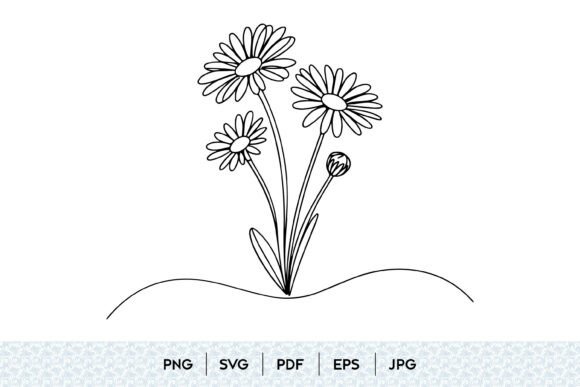
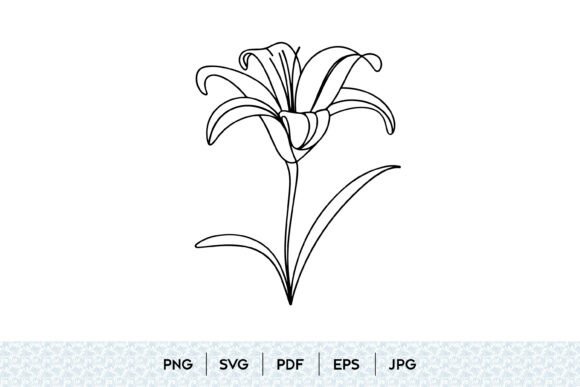
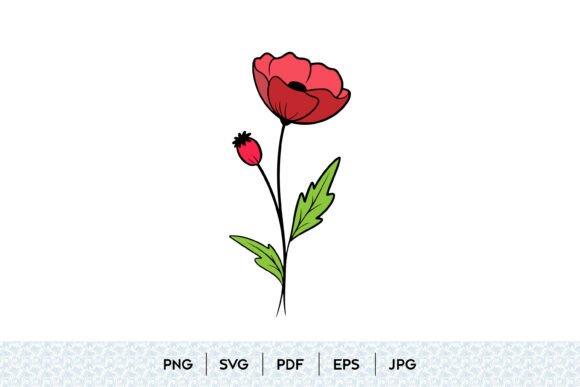
The Red Poppy Flower SVG opens with quiet confidence—not overly detailed, not stripped bare. It reads as hand-drawn: slightly asymmetrical petals, gentle curve in the stem, subtle line weight variation that suggests organic growth rather than vector perfection. There’s no heavy outlining or forced symmetry, which is refreshing in an era of over-polished botanicals. It leans into softness without sacrificing clarity—a rare balance. That mood makes it ideal for products where warmth and authenticity matter: nursery decor, personalized baby blankets, kitchen towels for artisan bakeries, or embroidered patches for slow-fashion brands.
Where It Stitches With Grace (and Where It Needs Care)
In practice, the Red Poppy Flower SVG shines on medium-weight woven fabrics—think cotton twill for tote bags, midweight linen for pillow covers, or stable knit blends for sweatshirt embroidery. On a 4”–5” hoop, it fills space gracefully without crowding. The petal shapes translate well into satin stitch zones; the central stamen area holds up nicely in fill stitch at moderate density. I used it on a custom embroidered tote for a spring farmers’ market stall—and customers paused to trace the outline with their fingers. That tactile resonance matters.
That said, it’s not universally forgiving. On thin or stretchy fabric (like lightweight jersey for baby onesies), the fine stem line and delicate petal tips can blur unless stabilized properly—use a light cutaway + tear-away combo, not just basic tear-away. On dark fabric, avoid low-contrast thread colors: a deep burgundy poppy on charcoal works, but pale coral fades visually. And skip it for curved surfaces like caps unless you’re willing to resize and re-digitize—the original proportions assume flat, stable ground.
What It Adds to Your Finished Product—Beyond Stitching
This isn’t just about whether the design *stitches*. It’s about how it elevates the *finished product*. A well-executed Red Poppy Flower SVG adds instant narrative: resilience, remembrance, seasonal beauty. That subtext resonates with buyers of handmade goods—it signals intentionality. For Etsy sellers, that translates to better photo storytelling, stronger mockup presentation, and higher perceived value. I’ve seen this same motif lift average-priced tea towels into “gift-worthy” territory simply because the flower felt *alive*, not algorithmically generated.
It also supports brand consistency. Whether you’re embroidering matching aprons for a small coffee roaster or a set of baby caps for a newborn collection, the Red Poppy Flower SVG scales cleanly across sizes and applications—no jagged edges, no collapsed details. That reliability saves time when prepping digital embroidery files for multiple products or updating printable mockups for your shop listings.
Practical Notes Every Embroidery Designer Should Check
- Test first on scrap fabric—especially if using textured weaves (burlap, heavy canvas) or blends with spandex.
- Review stitch density before sending to machine. Dense fill areas in the center may require reduced density on lightweight linens to prevent puckering.
- Confirm hoop size compatibility. While the SVG itself is scalable, your digitized version must suit your smallest common hoop—don’t assume 3” will work without checking detail retention.
- Inspect small details at 200% zoom: petal tips, stem taper, and negative space between leaves should remain clean after digitizing.
- Mock it in black and white before finalizing thread colors—this reveals contrast issues invisible on screen.
- Compare light vs. dark backgrounds in your design software. Some versions of the Red Poppy Flower SVG include optional outlines; decide whether those enhance or distract for your use case.
- Use proper stabilizer—a medium-weight cutaway gives the best support for the stem’s length and petal flow.
- Verify licensing before selling finished items or bundling the file into digital embroidery kits. The product listing notes it’s delivered as SVG, PNG, EPS, JPG, and PDF—but commercial use rights must be confirmed directly with the creator.
Fitting Into Real Creative Workflows
For craft business owners, the Red Poppy Flower SVG works especially well as a versatile anchor motif—not a one-off novelty. Pair it with minimalist monograms for personalized gifts, layer it subtly behind text for boutique branding, or scale it down for delicate embroidered patches on denim jackets. As an Illustrations asset, it bridges digital and physical beautifully: use the PNG for web mockups, the SVG for vector-based digitizing, the PDF for client presentations.
I recently adapted it for a holiday embroidery project—a set of linen napkins for a local florist’s gift boxes. We stitched it small (2.2”) in matte cotton thread, and the result felt heirloom-adjacent—not trendy, but timeless. Customers didn’t just buy napkins; they bought a quiet moment of seasonal recognition. That’s the quiet power of a well-chosen Red Poppy Flower SVG: it doesn’t dominate. It belongs.
Final Thought: Choose for Feeling, Not Just Format
There are dozens of poppy designs online. What sets this one apart isn’t technical complexity—it’s emotional fidelity. It feels drawn by hand, not generated by prompt. That authenticity carries through every stitch, every finished product, every customer who pauses to admire it. If your work values craftsmanship over convenience—if your clients choose handmade because they sense care in the details—then the Red Poppy Flower SVG earns its place in your core design assets. Just remember: respect its rhythm. Stitch it thoughtfully, stabilize it wisely, and let the flower speak for itself.